
Themed ArticlesAnother Delight of the Bulguksa Temple and Seokguram Grotto Journey: A Gourmet Exploration2025.09.29
Bulguksa Temple and Seokguram Grotto—iconic symbols of Gyeongju, the thousand-year-old capital—are masterpieces that epitomize Korean Buddhist art. Bulguksa Temple, built during the Unified Silla period, features world-renowned architectural and sculptural masterpieces, such as the Seokgatap Pagoda, Dabotap Pagoda, Cheongungyo Bridge, and Baegungyo Bridge. Seokguram Grotto presents a stunning display of Buddhist craftmanship, with a serene Buddha statue surrounded by intricately carved figures within a granite grotto. Both sites are designated as UNESCO World Cultural Heritage sites, making them must-visit attractions for anyone traveling to Gyeongju. However, few people know that a gourmet course awaits to satisfy the hunger that arises after exploring these historic sites and trekking the slopes of Tohamsan Mountain. Just a short distance from Bulguksa Temple, four local restaurants where you can enjoy traditional flavors with modern flair convey another story of Gyeongju beyond just meals. Let us introduce this special taste journey.
Tohamsan Restaurant: Savoring the Taste of a Century-Old Legacy
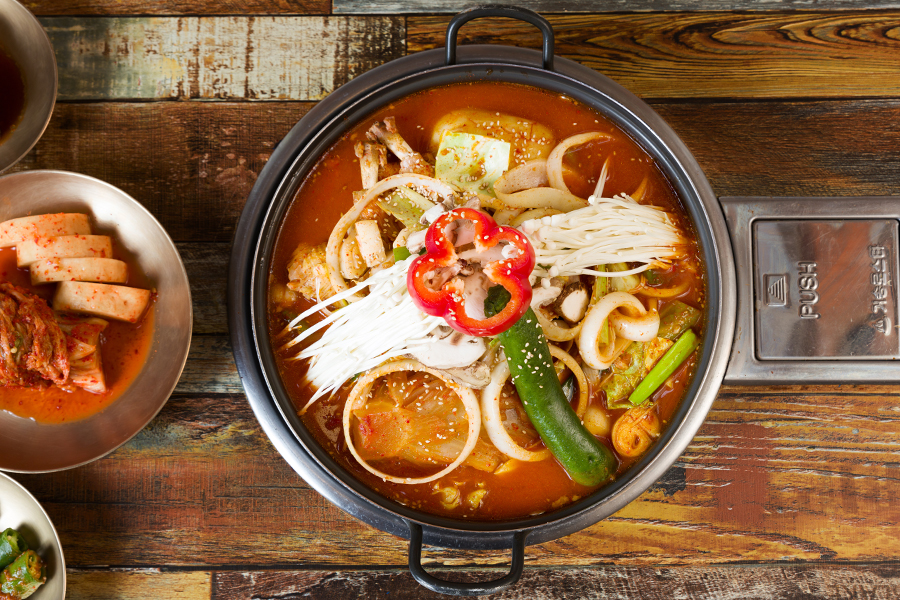
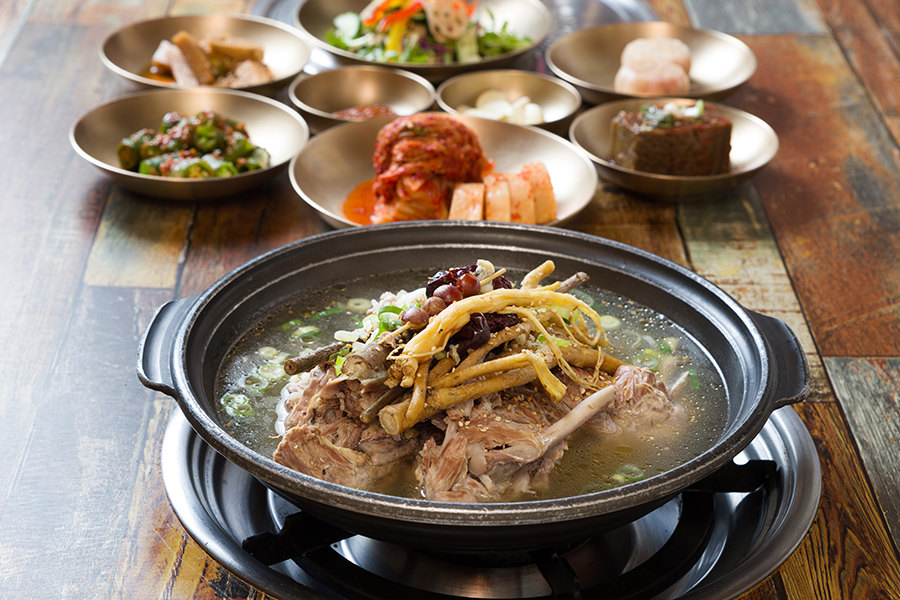
About a 10-minute drive from the entrance of Bulguksa Temple, nestled in the landscape of Tohamsan Mountain’s foothills, Tohamsan Restaurant is a long-standing establishment designated as a “baengnyeon gage (long-lasting small business).” The signature menus are whole chicken soup and whole duck soup, both hearty soup-based dishes made by boiling whole chicken or duck with medicinal herbs, shingled hedgehog, and jujubes. The broth is clear and rich, with a clean yet deeply savory flavor as the fat is removed. The meat is tender yet pleasantly chewy. Simmered slowly using traditional methods, the dish can be enjoyed with a dipping sauce of soy or salt—or by mixing rice directly into the broth for a hearty, nourishing meal that reflects the spirit of Korean cuisine. The restaurant also offers thatched-roof bungalow seating in addition to its main building, allowing guests to dine in a setting steeped in tradition. It’s a wholesome way to recharge after a day of cultural exploration.
 Recommended for travelers seeking both physical and mental nourishment after exploring historic sites
Bulguksa Youth: A Hearty Meal Enjoyed at a Former Youth Training Center
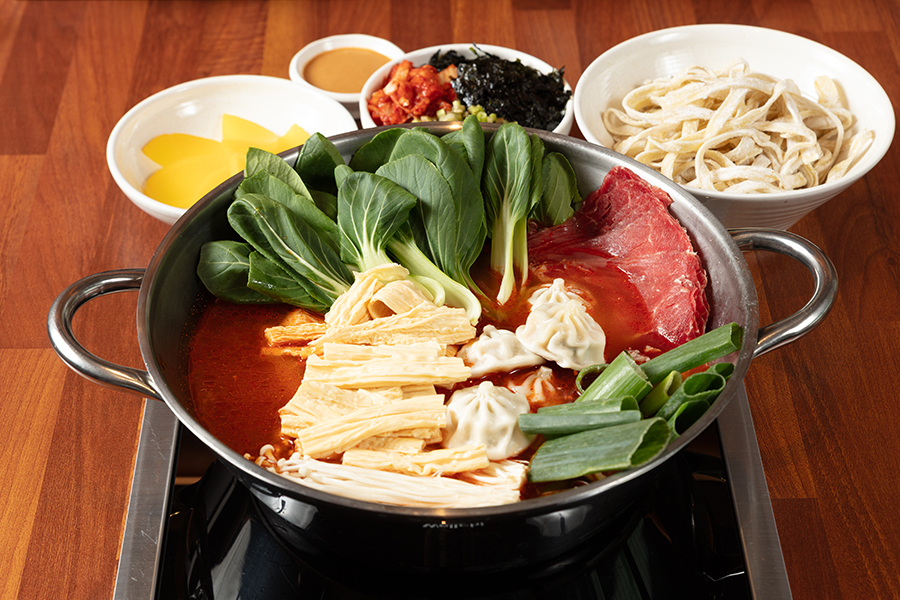
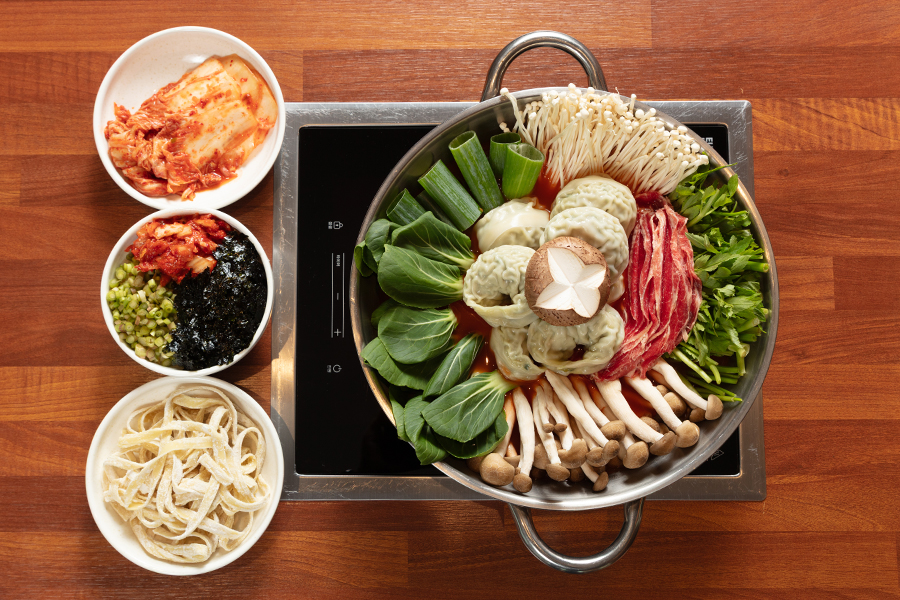
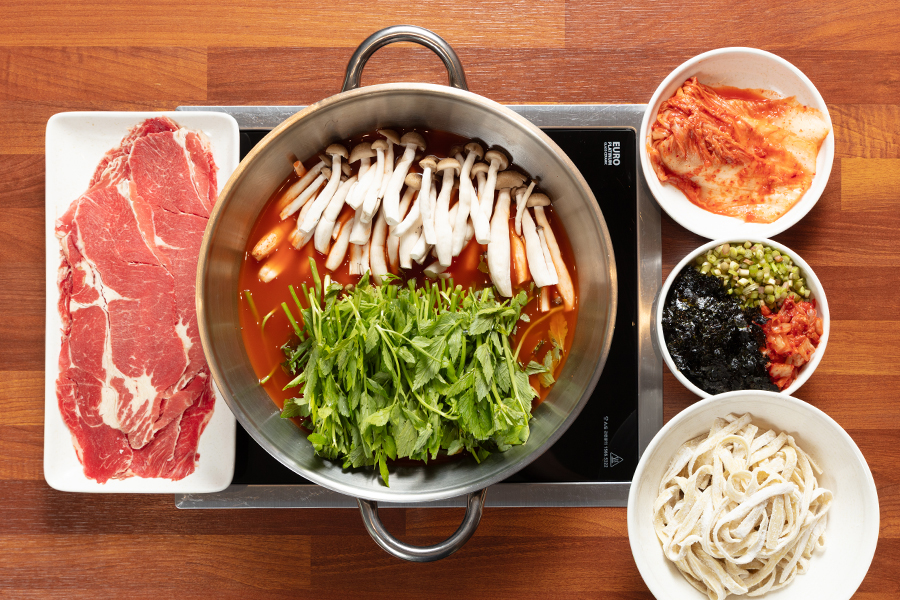
Bulguksa Temple, once a staple destination for school trips, saw a decline in visitors due to earthquakes and the pandemic, leading to the closure of many surrounding youth accommodations. One of them, “Bulguksa Youth Town,” was newly remodeled to create Bulguksa Youth. The signature menu, spicy beef shabu-shabu kalguksu (noodle soup), is Korean-style shabu-shabu where thinly sliced beef is lightly cooked with freshwater parsley in spicy and refreshing broth. Mandu hot pot, generously filled with stuffed handmade dumplings and boiled with vegetables, offers a mild yet rich taste. Mala noodle soup features the Chinese spice mala, offering tingling heat and a bold, spicy broth that has recently become a favorite among diners. All menus are composed as complete courses from fresh noodles to fried rice and dessert, allowing you to enjoy various flavors in one place. With various seating from double rooms to group halls, it’s easy for any traveler to stop by comfortably.
Recommended for travelers looking for a hearty yet casual noodle dish after visiting Bulguksa Temple
Ulsan Restaurant: 30 Years of Jang in a Traditional Wild Vegetable Hanjeongsik
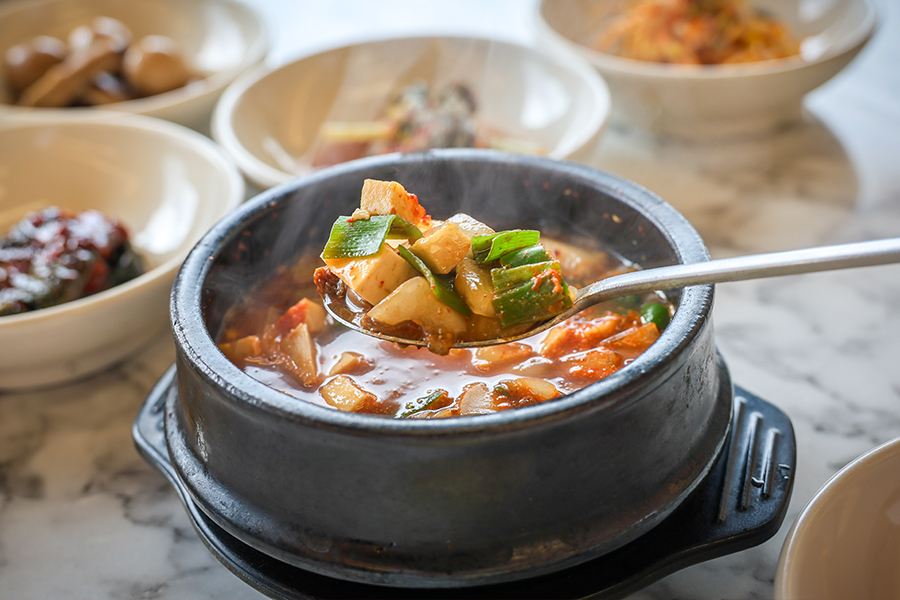
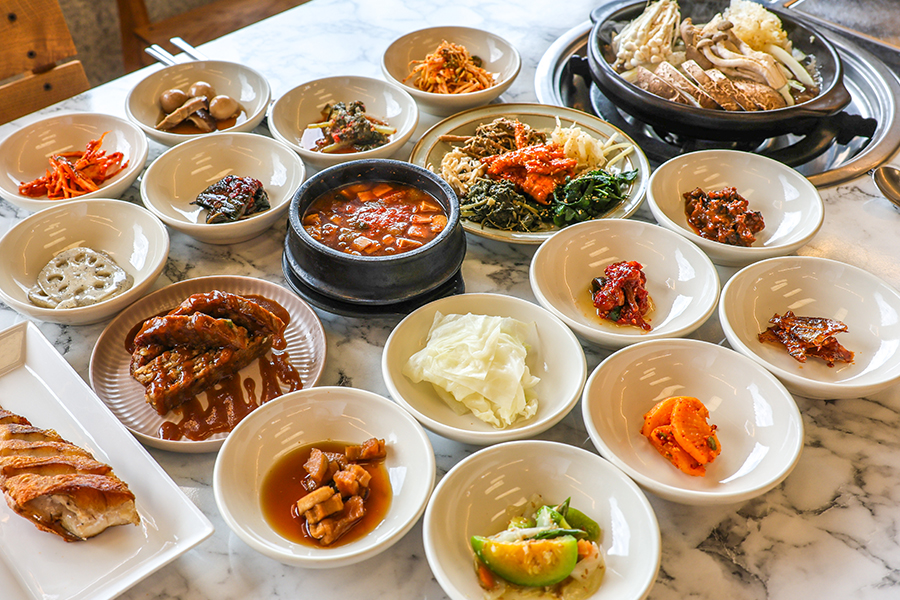
Located near Bulguksa Temple, Ulsan Restaurant is a traditional restaurant known for its carefully prepared hanjeongsik (Korean table d’hôte) imbued with tradition and sincerity. Its signature dish, the wild vegetable bulgogi set menu, features bulgogi and doenjangjjigae (soybean paste jjigae). The meal is accompanied by a variety of side dishes, including deodeok, wild vegetable dishes, fish, hamburger steak, and acorn jelly salad. The greatest pride of this place is its homegrown organic rice farmed directly and the traditional house-made jang (fermented sauces) that have been passed down for over 30 years. Thanks to the homemade ganjang (soy sauce), doenjang (soybean paste), and gochujang (red chili paste), even individual side dishes are infused with a deep and subtle flavor. The sweet pumpkin pot rice brings out a savory sweetness with warm steam, enhancing the overall quality of the meal. With a clean yet cozy interior, the restaurant offers a welcoming atmosphere suitable for all ages and genders. It offers an experience of continuing the lingering feeling of a serene historic site journey with a hanjeongsik table setting.
Recommended for travelers who wish to elevate their journey with refined Korean hanjeongsik
Ran’s Restaurant 1974: Sensational Korean Cuisine Connecting Tradition and Trends
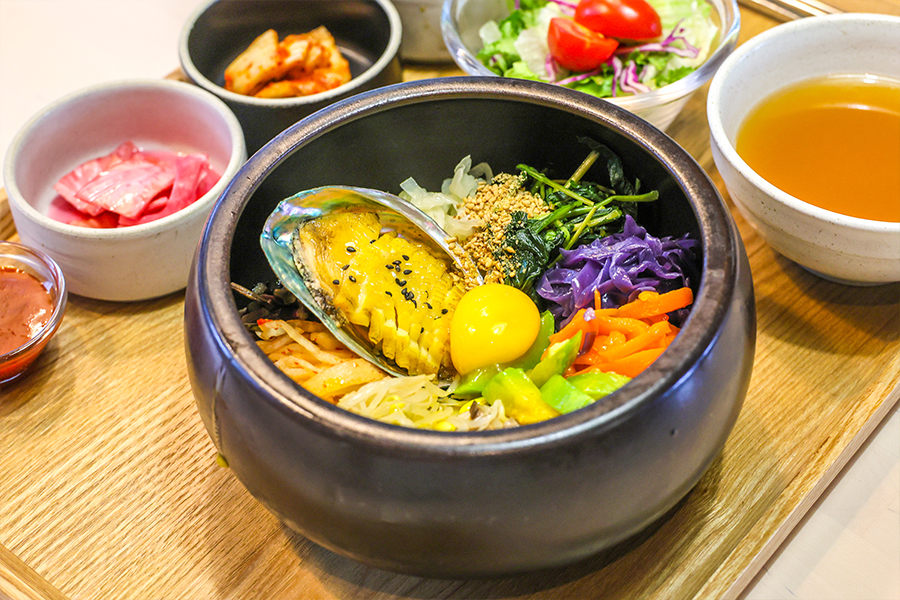
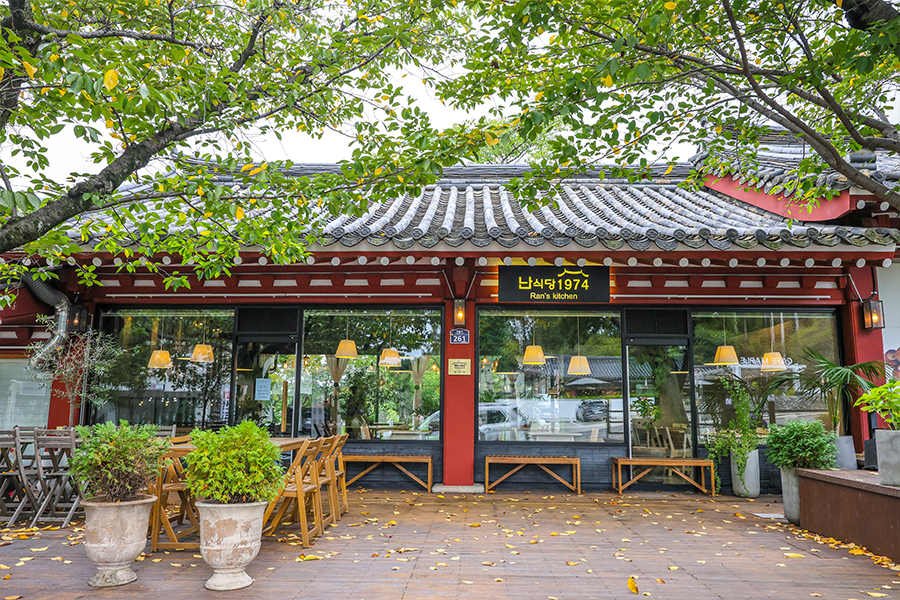
As you enter deeper into the Bulguksa shopping market, a modern hanok-style space will catch your eye. This is Ran’s Restaurant 1974, a reinterpretation of a space that first opened in 1974. Blending the elegance of traditional Korean architecture with modern aesthetics, the restaurant has become a favorite among younger generations and international visitors alike. The signature dish is avocado pollack roe bibimbap, a creative fusion of superfood avocado, pollack roe, abalone, and bacon, creating a soft yet savory combination. In addition, the menu composition is diverse, including nine-color vegetable and beef hot stone pot bibimbap, abalone hot stone pot bibimbap, handmade pork cutlet, and kimchi and sausage jjigae. The interior design uses plants and flowerpots to create a pleasant and sophisticated atmosphere. Sitting by the window allows you to enjoy meals while viewing the garden scenery, making it perfect for those who don’t want to miss out on either taste or atmosphere.
Recommended for young travelers and foreign tourists who want to enjoy gastronomy that combines traditional Korean cuisine with a trendy touch
After immersing yourself in a thousand years of history and art, visiting these restaurants adds the perfect finishing touch to your Gyeongju adventure. Each location offers its own unique appeal—from rich flavors and beautiful interiors to attentive service—providing a fulfilling dining experience. Within a Gyeongju journey where historical spaces and regional flavors harmonize together, travelers can simultaneously experience the depth of food, culture, and tradition beyond mere sightseeing.
-
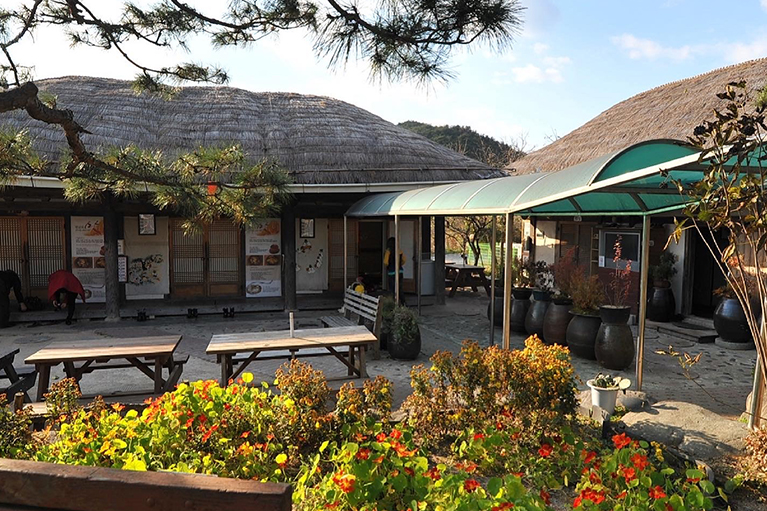
Tohamsan Sikdang
A Whole Chicken Soup Restaurant Aspiring to a Hundred-Year Tradition
197 Saegol-gil, Gyeongju-si -

Ulsan Restaurant
A Bulguksa Temple Area Restaurant Using Sauces Aged Over 30 Years
Unit 11, Building Ra-dong, Jinhyeon-dong Shopping Complex, 6 Bulguksintaekji 7-gil, Gyeongju-si -

Ran's Kitchen 1974
A Wholesome Fusion of Avocado and Korean Salad
261 Yeongbul-ro, Gyeongju-si